Oxnard Home Value FAQ
Why should an Oxnard valuation start with city and neighborhood-specific sales?
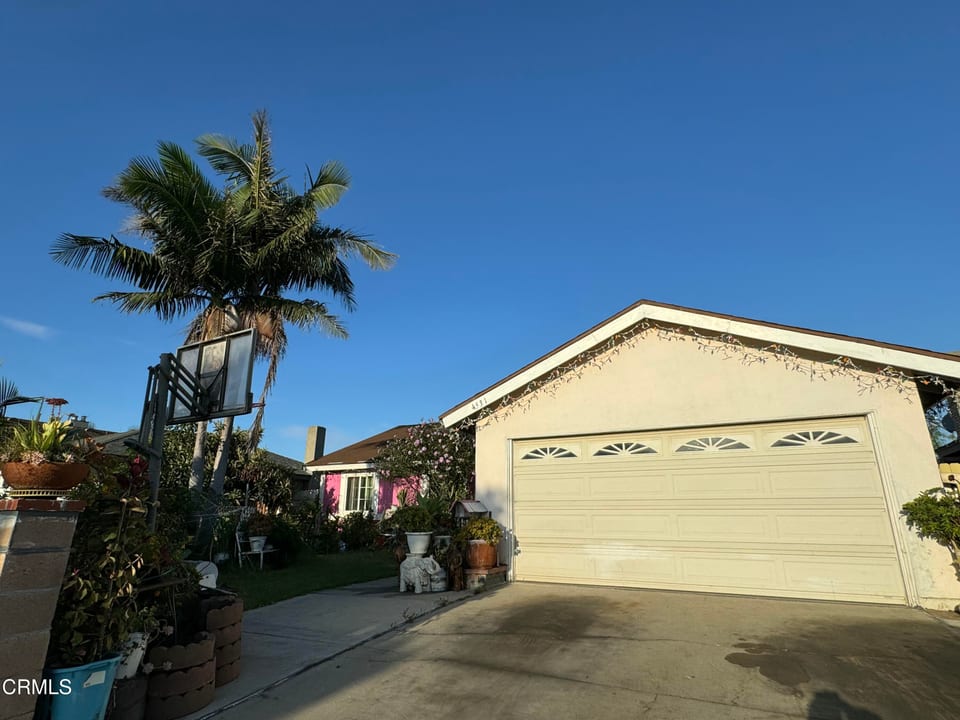
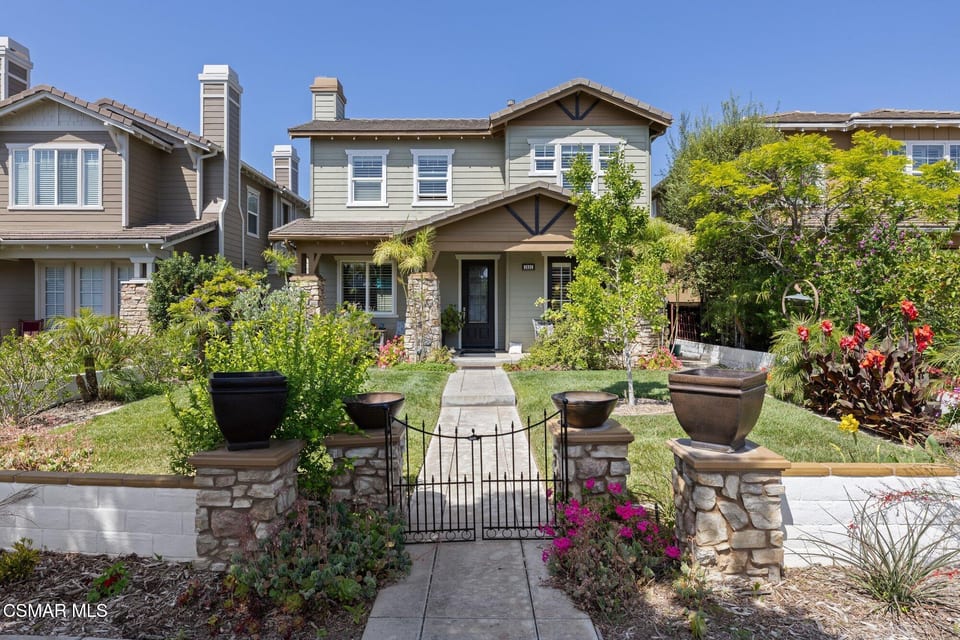
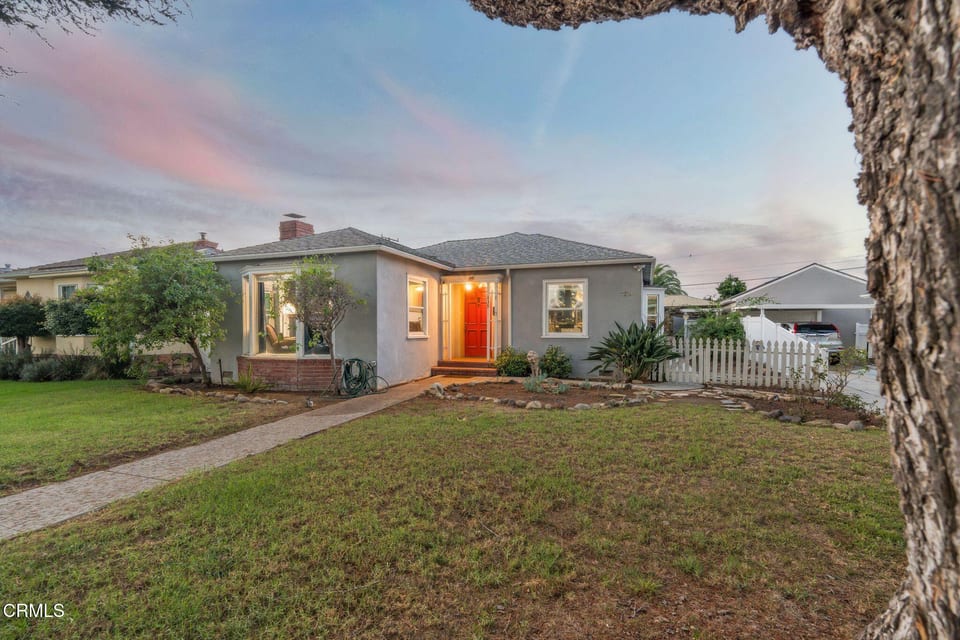
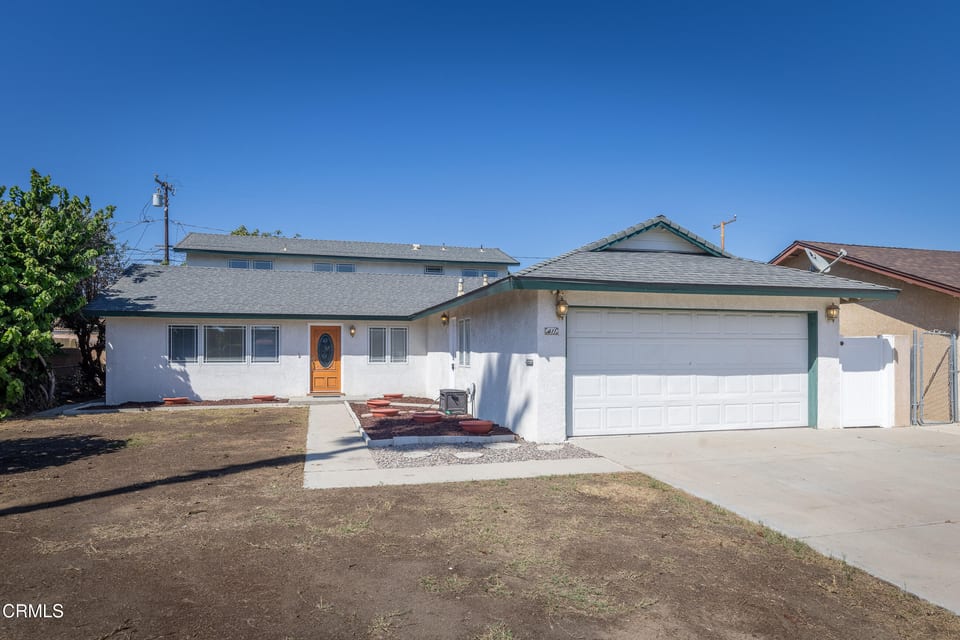
Oxnard contains distinct inland, beach, harbor, golf-course, and master-planned housing areas, while places commonly marketed with an Oxnard mailing address, such as Hollywood Beach and Silver Strand Beach, are outside city limits. A valuation should begin with sales that match the property's actual jurisdiction, neighborhood, property type, condition, lot, and waterfront or amenity characteristics.
What permit and planning records should an Oxnard seller review before listing?
Reconcile additions, remodels, accessory structures, and other visible improvements with the City's building and planning records. Oxnard provides address- and permit-based planning searches and building-record research, so resolving discrepancies before marketing can reduce avoidable buyer questions during escrow.
How should an Oxnard seller present an ADU or junior ADU?
Document that the unit is permitted and that required reviews and final approvals are complete. Oxnard's current ADU program requires building permits and publishes parcel-specific standards; the existence of an ADU is a verified property feature, not an automatic value premium without comparable-sale support.
Can flood or coastal conditions affect an Oxnard home's sale preparation?
Yes. Oxnard identifies areas at risk of flooding and provides parcel-level flood resources, while coastal properties may also be governed by the City's Local Coastal Program. Sellers should gather the applicable records and disclosures for the specific parcel rather than make a citywide assumption.
Do short-term-rental rules apply the same way across every Oxnard mailing address?
No. The City requires permits for short-term rentals inside Oxnard, but its own guidance directs properties outside city limits, including Silver Strand Beach and Hollywood Beach, to Ventura County. Confirm the parcel's jurisdiction before describing rental rights or using rental potential in a pricing discussion.