Santa Barbara, CA
Funk Zone
The Funk Zone occupies a compact, walkable pocket of southern Santa Barbara, running from State Street on the west toward the Cabrillo Boulevard shoreline and pressed against the Highway 101 corridor. Published maps disagree on where the inland edge actually falls — some accounts place it at Santa Barbara Street, others at Garden Street or Mason Street — so the boundary is best treated as approximate rather than a fixed line. The buildings here trace an industrial past: former grain mills, feed stores, marine-supply shops, and warehouses that once served the city's fishing, lumber, and citrus trades. City rezoning, carried out in stages from the mid-1980s through 2008, narrowed what could be built here to visitor-serving businesses, blended residential-and-commercial buildings, and small-scale marine manufacturing — a restriction that shapes how housing looks today. Rather than standalone houses, buyers find residential lofts stacked above ground-floor commercial space, including a six-unit building completed in 2012 near Yanonali and Gray. A separate proposal for 155 residential units surfaced for a nearby block in 2022; whether that project ultimately advances is still an open question. The area picked up its nickname in the mid-1990s, when a campaign for artist-friendly zoning left people repeatedly calling the warehouse district "funky" — the name stuck. Those same blocks now hold the city's densest cluster of wine-tasting rooms alongside museums, galleries, and restaurants folded into the old industrial buildings.

Homes for Sale in Funk Zone
View all Funk Zone listings →
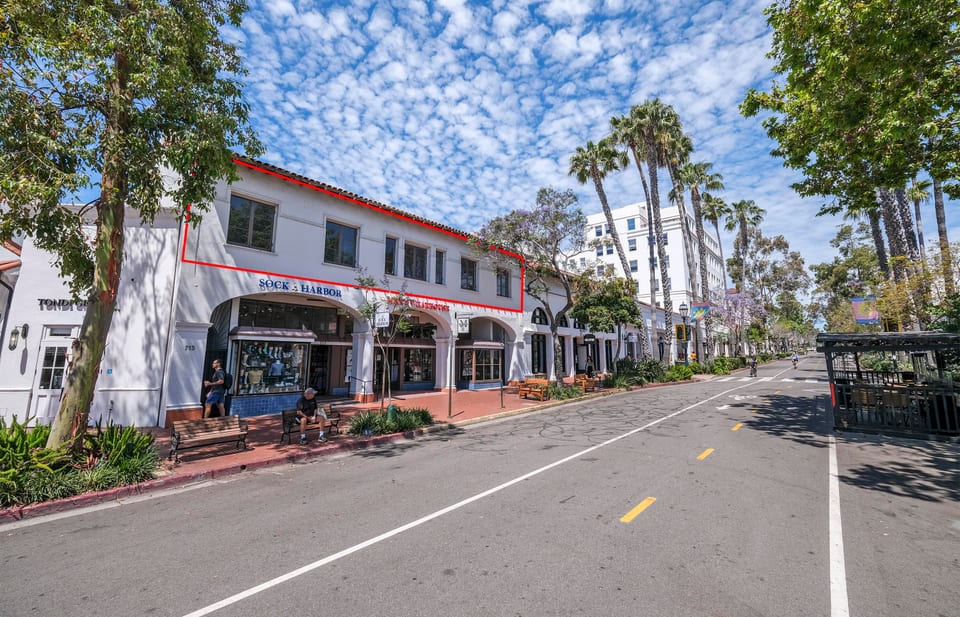
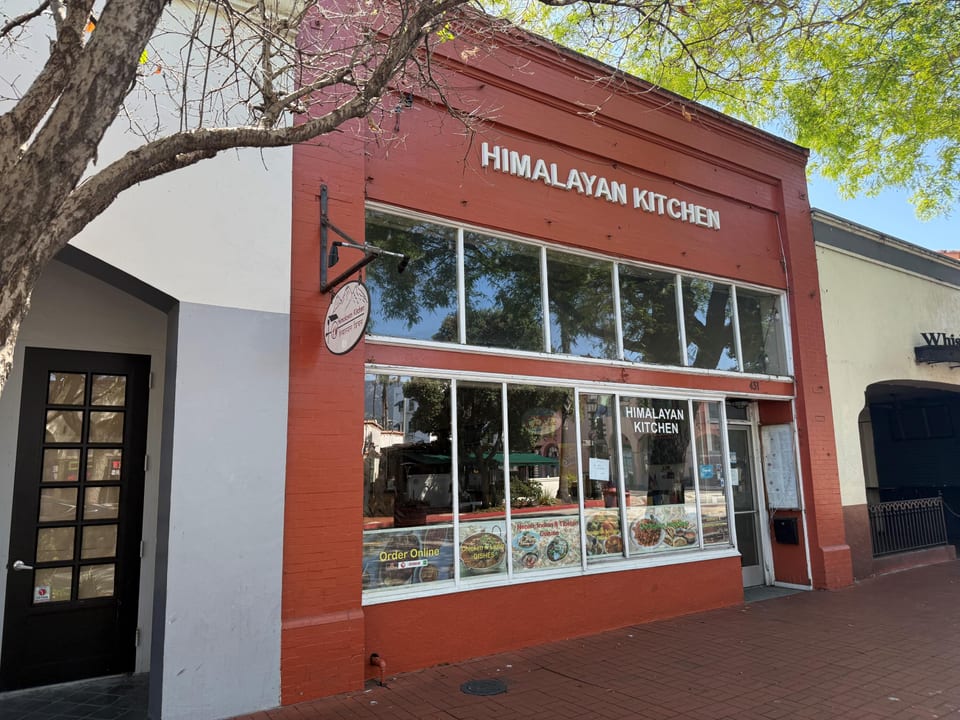
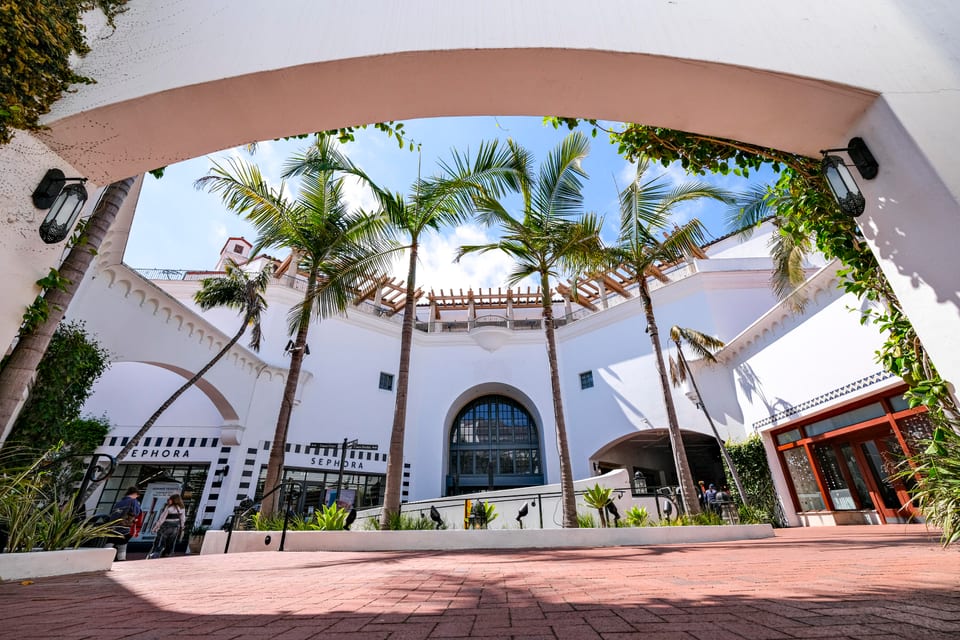


Recently Sold in Funk Zone
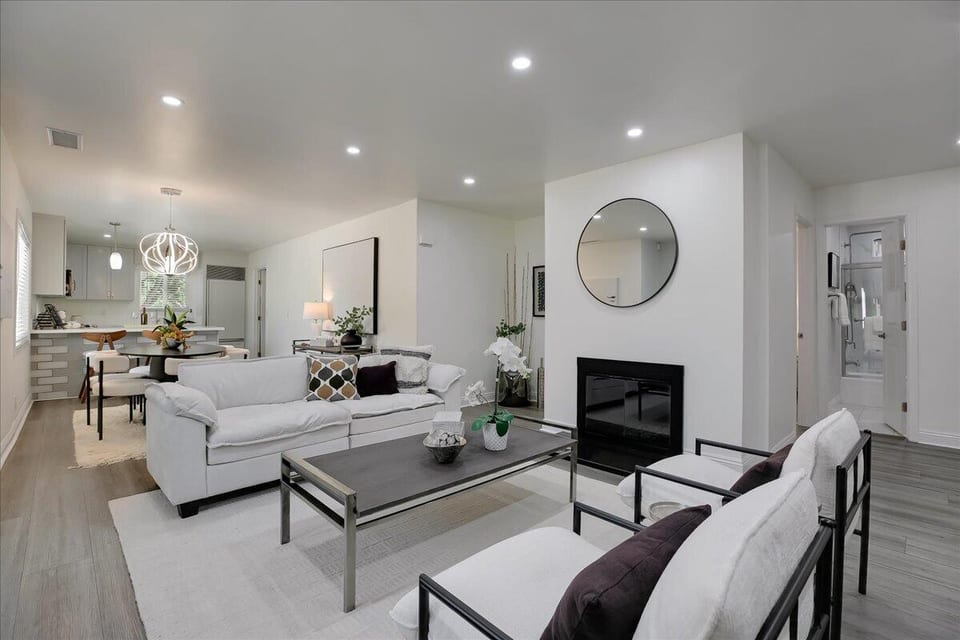
Based on information from the Santa Barbara MLS as of July 27, 2026. Display of MLS data is usually deemed reliable but is NOT guaranteed accurate by the MLS. Buyers are responsible for verifying the accuracy of all information and should investigate the data themselves or retain appropriate professionals. Information from sources other than the Listing Agent may have been included in the MLS data. Unless otherwise specified in writing, Broker/Agent has not and will not verify any information obtained from other sources. The Broker/Agent providing the information contained herein may or may not have been the Listing and/or Selling Agent.
What defines it
- Zoning rewritten in phases from the mid-1980s through 2008 restricts new development to visitor-serving, mixed residential-and-commercial, or small-scale marine manufacturing uses
- Housing consists of loft residences stacked above street-level commercial space, including a six-unit live/work building finished in 2012 near Yanonali and Gray
- A 155-unit residential proposal surfaced in 2022 for a nearby block enclosed by Mason, Santa Barbara, Gray, and Yanonali streets, with its current status still unresolved
- Carries the city's heaviest concentration of Urban Wine Trail tasting rooms, per Visit Santa Barbara
- Santa Barbara Winery, opened in 1962 by Pierre Lafond as one of the county's first post-Prohibition wineries, pours in the district
- MOXI, the interactive science museum, opened in 2017 at the district's edge along State Street
- In 2017 artist Ruth Ellen Hoag completed a large-scale outdoor mural, funded by a $4,000 community grant, located at 205 Santa Barbara Street
- Sits within the California Coastal Zone, so new residential building here requires a Coastal Development Permit
The Housing Stock
Housing available for purchase here stays limited to the district's zoning-driven format — live/work lofts rather than standalone houses — so buyers should anticipate a small, specialized set of listings instead of a typical detached-home market.
Frequently asked
What are the boundaries of the Funk Zone?
The district occupies the southern part of the city, bordered by State Street to the west and reaching toward the water near Cabrillo Boulevard, squeezed against Highway 101. No single map settles the inland edge — different published sources put it at Mason Street, Garden Street, or as far as Santa Barbara Street. It's best understood as an informal, walkable pocket rather than a surveyed boundary.
What kind of housing exists in the Funk Zone?
Housing here is limited and unconventional: residential lofts built above street-level shops and studios, including a six-unit building finished in 2012 near Yanonali and Gray. A larger project proposing 155 residential units was floated for a nearby block in 2022, though whether it moves forward remains uncertain. Zoning standards finalized in 2008 require this blended residential-commercial format rather than allowing conventional standalone houses.
Why is it called the Funk Zone?
The nickname took hold through a mid-1990s campaign for zoning that would support the artists who had moved into the district's old warehouses and studios. Locals kept describing the area as "funky," and the label became permanent. Arts commissioner Patrick Davis was part of that era's push for artist-friendly zoning.
Does the Funk Zone have a lot of wine tasting rooms?
Yes — it anchors the busiest stretch of the citywide Urban Wine Trail, a self-guided route of more than twenty tasting rooms. The lineup of Funk Zone rooms has shifted noticeably within a matter of months, so treat any specific count as a snapshot rather than current. Santa Barbara Winery, founded in 1962 by Pierre Lafond as one of the county's earliest post-Prohibition operations, has poured here the longest.
Are short-term rentals allowed in the Funk Zone?
There's no finalized citywide rule yet. Santa Barbara is still advancing its short-term rental ordinance through the approval process, with City Council action targeted for September 2026. Because the district lies inside the California Coastal Zone, any ordinance also needs California Coastal Commission sign-off, a step expected to stretch into 2027. Check with the City directly for the latest status before assuming a rule is in place.
Which schools cover the Funk Zone?
The area falls under Santa Barbara Unified School District, though the district offers no online tool for looking up assignments by address. Prospective buyers should call SBUSD Student Services for a specific determination instead of assuming any particular school applies.
What's nearby within walking distance?
MOXI, the interactive museum that opened in 2017, sits right at the district's edge along State Street, and the Amtrak depot is a short walk away too. Head a block or two south and you'll reach the Cabrillo Boulevard waterfront path and East Beach, passing the district's wine-tasting rooms along the way.